Cook Strait
- 22.5 km
- Distance
- North Island ↔ South Island
Hinepoupou and the dolphin
The first crossing of the strait is told by a Māori tradition. In the mid-18th century, Hinepoupou, of the Ngāti Kuia people, having been abandoned by her husband on Kāpiti Island, crossed the Raukawa (Cook Strait) to d'Urville Island, resting on rocks and islets, accompanied by a guardian dolphin. It took her three days. In 1990, a relay team of six swimmers, including Philip Rush, retraced her probable route in four days.
The attempts of 1928-1931
The first attempt documented by newspapers was in February 1928. R. J. Webster set off from a small beach at Terawhiti towards Wellington Head, covered in tallow, fed with beaten eggs and broth; after two and a quarter hours, in the middle of the Terawhiti current, he gave in to the cold. In February 1929, Lily Copplestone of Ashburton, the first New Zealander to attempt it, set off from Wellington Head covered in olive oil and grease, with a diver's helmet over her ears: she retired after about an hour, convinced that the strait could not be swum. At the end of 1930, Mercedes Gleitze arrived in Wellington specifically for the attempt, having already been the first woman to cross the Strait of Gibraltar; in March 1931, she gave up, with the water too cold for a long swim.
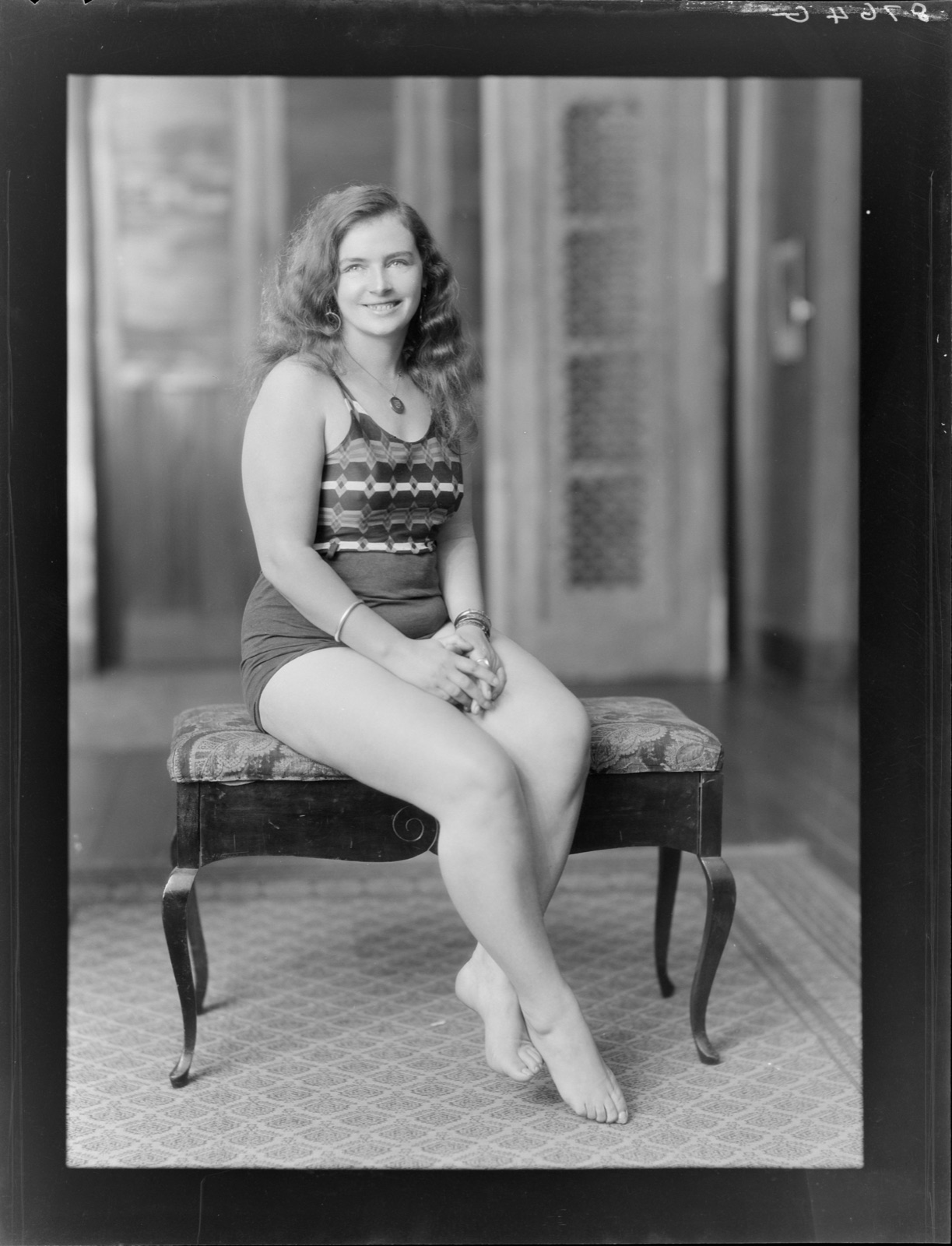
Barrie Devenport, 20 November 1962
Barrie Devenport, 27 years old, from Wellington, had already failed months earlier: they pulled him out shivering, less than two kilometers (1.2 mi) from the finish. He trained in winter in Wellington Harbour and asked for help from Arthur Lydiard, Peter Snell's coach, who made him run ten or fifteen kilometers (6.2 or 9.3 mi) a day. On 20 November 1962, he set off from Cape Terawhiti. In the water, he was fed with a baby bottle, and the only hitches were a sudden change in tide and diesel fumes from one of the boats. He arrived on the rocks of the South Island after about eleven hours; the register says 11 hours and 20 minutes, other sources say 11 hours and 13. The radio followed the swim live. Among the gifts from the nation were a television set and a truckload of manure for his garden. «Barrie was the Edmund Hillary of swimming», said Philip Rush.
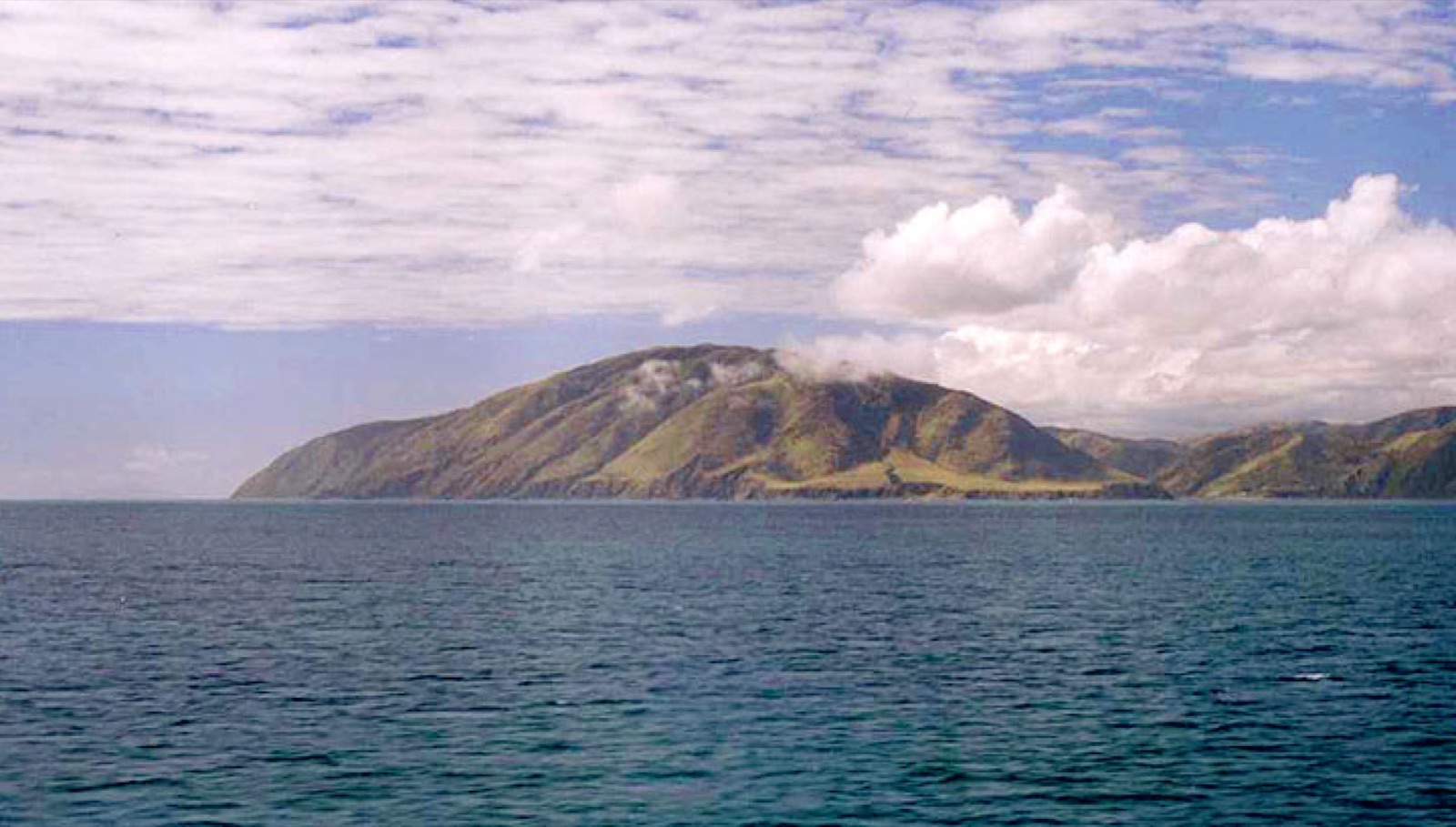
The firsts
The second crossing was by Keith Hancox, in February 1964. The first from the South Island to the North Island was by Perry Cameron, in January 1972. On 4 February 1975, the American Lynne Cox, 18 years old, was the first woman, in just over twelve hours: twice a cargo ship stopped beside her to shield her from the wind. In February 1978, fifteen-year-old Meda McKenzie crossed in both directions, and that year she was appointed an MBE as the first New Zealand woman to cross the strait and the first person to do so in both directions; six months later she was the first New Zealander in the English Channel.
On 13 March 1984, Philip Rush made the first double crossing without stopping, in 16 hours and 16 minutes; on 26 March, Meda McKenzie made the first female double, in 23 hours and 6 minutes.
The times
The fastest crossing is by Casey Glover, on 13 April 2008: 4 hours and 37 minutes, almost as fast as the ferry, the newspapers wrote. The youngest, Aditya Raut, was 11 years old in 2005; the youngest female, Caitlin O'Reilly, was 12 in 2017. In February 2022, Nick Hobson died on the evening of his crossing.
Timeline
Computed from the recorded crossings: the first, the first by sex, the first from each country and every record broken.