
XIII Copa Brasil AA — São Bernardo do Campo
- Oct 17, 2026
- Distances from 1.5km to 4km
About the race
In the 16th century, the Jesuit priest José de Anchieta navigated the treacherous terrain between the plateau and the coast, famously documenting his physical struggle along what is now known as the Caminho do Mar. He described the path as the most arduous trail in existence, a sentiment that likely resonates with those preparing to tackle the waters of the Represa Billings. This expansive reservoir, covering 127 square kilometers, was engineered in the 1920s by the American Asa White Kenney Billings to provide hydroelectric power, fundamentally altering the geography of the São Paulo region. Today, the reservoir serves as a primary venue for the XIII Copa Brasil AA 2026, an event organized by the Federação Aquática Paulista, scheduled for October 17, 2026.
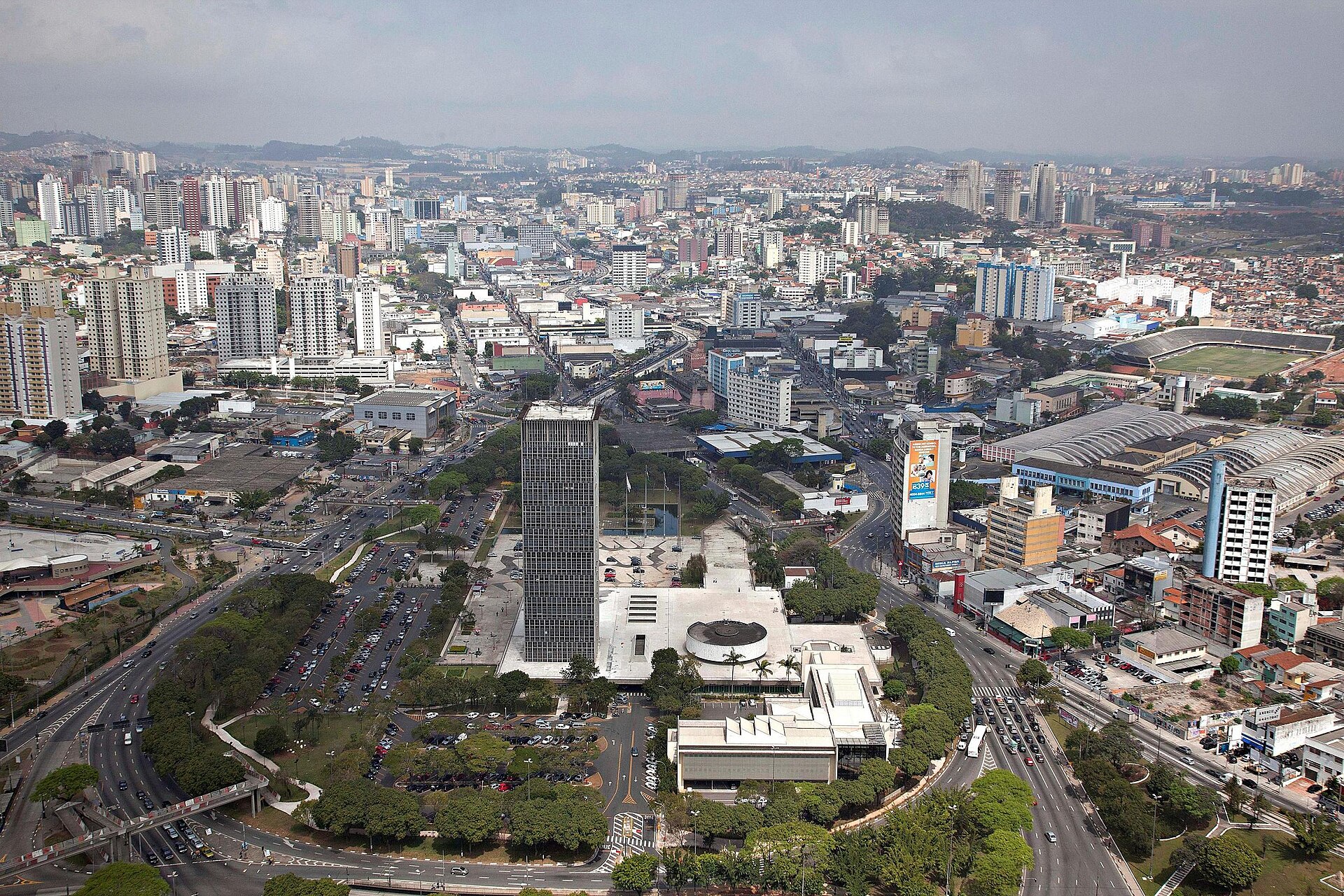
The environment and local landmarks
As you move through the water, the landscape reflects a history that predates the modern metropolis. The area surrounding the reservoir encompasses the site of the original Vila de Santo André da Borda do Campo, established in 1553 by João Ramalho and his father-in-law Tibiriçá; it stands as the first Brazilian settlement founded away from the coastline. While navigating, you may observe the distinctive silhouette of the Bororé Peninsula, often called the 'Ilha do Bororé', which houses the centenarian Capela de São Sebastião, built in 1904. Further dominating the horizon is the Pico do Bonilha, also known as Morro da Cruz, which rises to 986.5 meters, serving as a constant geographic reference point for swimmers on the course.
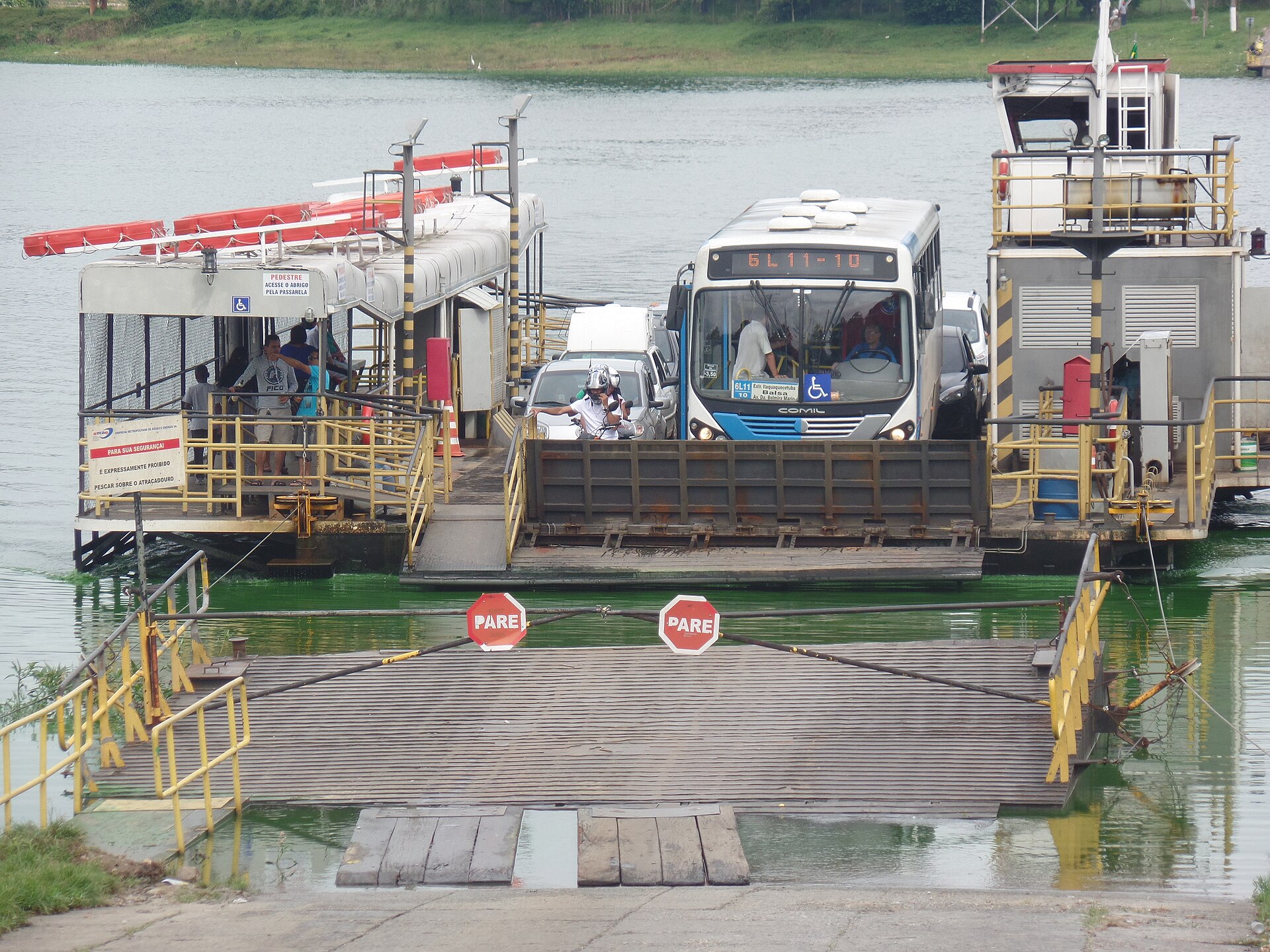
Historical evolution of the territory
The contemporary city of São Bernardo do Campo finds its roots in the Fazenda de São Bernardo, a 1717 enterprise managed by Benedictine monks. These monks utilized the land for agriculture, a period marked by the presence of enslaved Africans whose labor supported the early development of the region. This history is layered beneath the calm surface of the water, providing a context for the competitive environment of the Copa Brasil. Participants are expected to engage with the natural conditions of the reservoir, a large-scale urban water system that requires athletes to maintain focus on their pacing while observing the historical landmarks that line the shore.
Sources: São Bernardo do Campo · Pico do Bonilha · Bororé · Rodovia Anchieta · Billings Reservoir
Course
How to get there
XIII Copa Brasil AA — São Bernardo do Campo
Where to stay
Accommodations in São Bernardo do Campo include functional business hotels near the city center and occasional lakeside guesthouses that provide direct access to the reservoir area. Expect price ranges for a standard double room to fall between R$ 250 and R$ 500 per night, depending on proximity to the urban core or the waterfront. During the race weekend, booking in advance is advised to secure transport logistics to the venue.
Things to do nearby
Visitors can explore the historic Caminho do Mar, which offers a deep dive into colonial history and the original trails of the Jesuits. For outdoor enthusiasts, the reservoir is accessible for kayaking and rowing, allowing for a perspective of the shoreline different from that of a race participant. Additionally, the city features local gastronomy focused on traditional paulista cuisine, and visits to the nearby historical chapels provide insight into the regional heritage of the São Paulo plateau.
Swimmers
Comments
Transparency: some links on this page (stays, flights, experiences, gear) are affiliate links — if you book or buy through them, Omniathlon may earn a commission from the partner at no extra cost to you. As an Amazon Associate we earn from qualifying purchases.