
Travessia PR/SC 2026
- May 17, 2026
- Last edition date
About the race
Cold, nutrient-rich currents define the swim on May 17, as the water temperature fluctuates with the influence of the South Atlantic currents pushing against the peninsula. Swimmers should anticipate moderate swells, typical for this coastal stretch, which demand consistent sighting and a rhythmic, patient stroke to navigate the occasional push from the tide. Early morning starts often encounter glassy conditions before the afternoon sea breeze builds, making the choice of pacing critical during the final segments along the rocky headlands. This event, organized by Acqua Travessias Bombinhas, continues the tradition of open water challenges in the region, following the earlier night swim held in April.
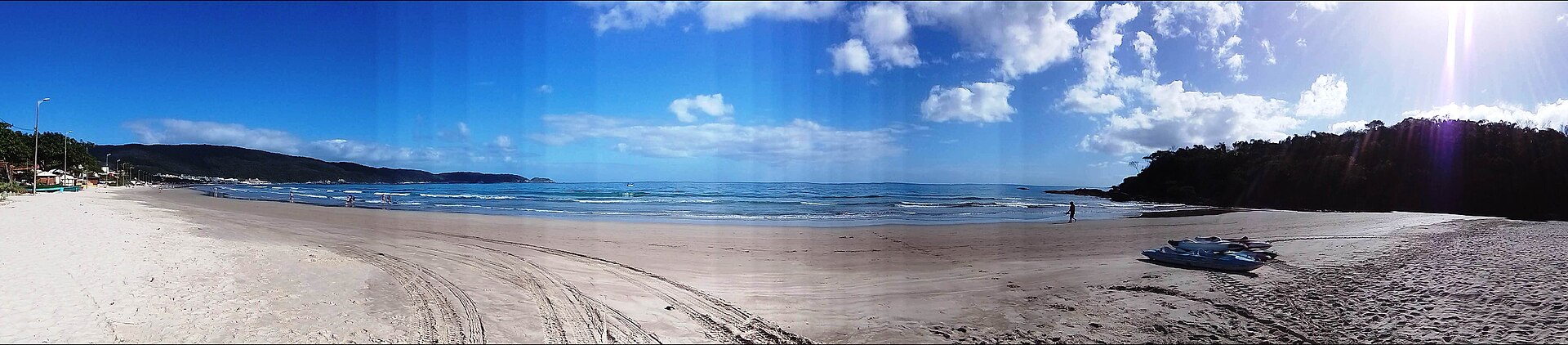
The marine environment
The course trajectory is defined by the unique geography of the peninsula, where the rugged relief of cliffs and hidden coves serves as a constant visual reference. Navigating these waters requires respect for the protected marine sanctuary established in 1990; the restricted access ensures that the biodiversity remains undisturbed, often resulting in high visibility that allows swimmers to spot the seafloor even during the race. This environmental quality led to the official designation of the area as the Capital of Ecological Diving in 2013, a status that reflects the clarity of the water encountered during the event. While moving through the open stretches, participants pass near the coastline where the native restinga vegetation remains preserved, offering an uninterrupted view of the natural landscape rather than urban developments.
Historical currents
Tracing the path along the shoreline, one effectively follows the maritime routes historically used by the Azorean settlers who founded the local villages in 1817. These early inhabitants established a life tied to the sea, a legacy now documented in local institutions like the Marine Aquarium Museum. Swimming here connects the athlete to this maritime heritage, as the same currents that facilitated the arrival of the first vessels from the Azores continue to shape the sensory experience of the race today. The challenge remains a test of endurance against the elements, distinct from the shorter distance options offered by the summer crossing scheduled earlier in the year, requiring focused preparation for the specific conditions of late autumn.
Sources: Bombinhas
Course
How to get there
Travessia PR/SC 2026
Where to stay
Bombinhas offers a mix of seasonal lodging ranging from simple 'fishermen-style' guesthouses near the harbor to modern boutique hotels overlooking the bays. During May, the low season, travelers can secure double rooms in local pousadas for approximately 250-450 BRL per night. Beachfront camping options remain available for those seeking proximity to the water, though amenities vary significantly. Most participants prefer staying in the central village area to remain within walking distance of the race logistics and local boat launch points.
Things to do nearby
Beyond the race, the peninsula serves as a hub for marine-focused activities. Visitors can arrange boat trips to the offshore islands for snorkeling in protected zones or rent kayaks to explore the smaller, inaccessible coves that dot the coast. Inland, several moderate hiking trails provide panoramic views of the entire peninsula, crossing through the preserved Atlantic Forest. For those interested in regional history, a visit to the local maritime museums offers insight into the evolution of the local fishing industry and the heritage of the Azorean settlers.
Swimmers
Other races by this organiser
- 18ª Travessia de ZimbrosBombinhas, BR
Comments
Transparency: some links on this page (stays, flights, experiences, gear) are affiliate links — if you book or buy through them, Omniathlon may earn a commission from the partner at no extra cost to you. As an Amazon Associate we earn from qualifying purchases.