
Travesía del Puente
- Distance: 6km
About the race
The Uruguay River reveals itself to a swimmer not as a mere boundary, but as a deep, shifting channel carved into the bedrock during the last Ice Age. Beneath the surface, the water maintains a complex rhythm, influenced by a submerged canyon that plunges to depths of 100 meters, a geological feature that forces the current into unpredictable patterns near the banks. Its dark, sediment-rich flow, named by indigenous peoples after the gastropods that once lined its bed, sets a formidable stage for the 6000-meter Travesía del Puente. As you sight for the horizon, the General Artigas Bridge dominates the skyline, a stark cantilever structure that serves as a constant point of navigation between the Uruguayan and Argentine shores.
A legacy of river mastery
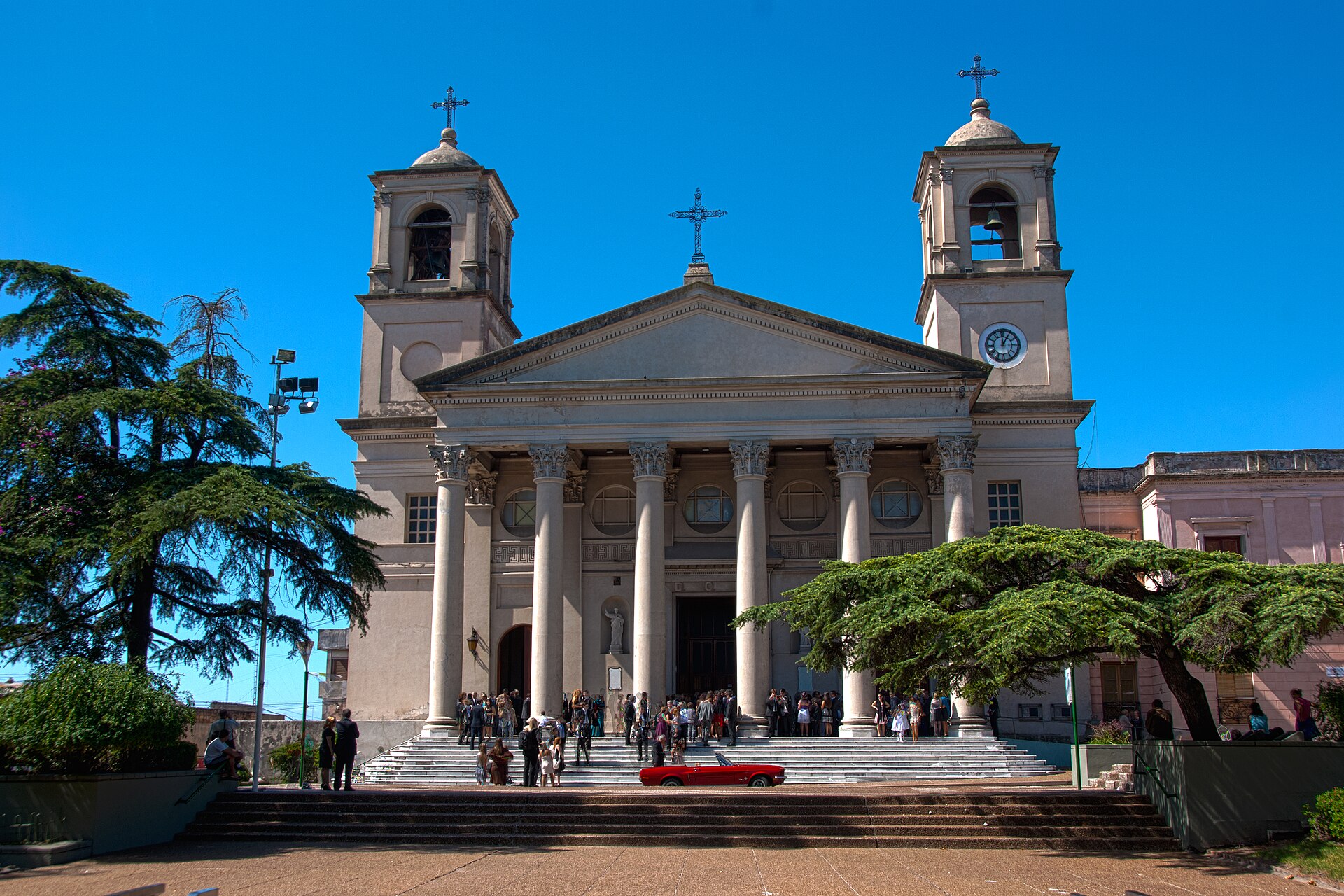
Starting near the bridge, the route traces the path where history and local identity intersect. The name Paysandú itself remains a point of scholarly debate, with theories fluctuating between the Guaraní 'pa'i sandu' and the older, more descriptive 'Y Paúçandó', or 'island interpolated in the river.' This connection to the water is more than nominal; it is physical. The race is hosted in collaboration with the Club Remeros Paysandú, a cradle for Olympic-level talent that has defined the region's aquatic culture for generations. Swimmers today follow in the wake of those who mastered these currents long before the sport was formalized, mirroring the resilience of the local population during the 1864 siege that earned the city its moniker, 'La Heroica'. While the nearby Travesía Cruce del Rio Uruguay offers a distinct perspective on these waters, the Travesía del Puente remains the primary challenge for those focused on the long-distance heritage of this specific river reach.
Landmarks of the shoreline
As you navigate the 6000-meter stretch, the architecture of the bank reflects a century of migration. The influence of early 20th-century Italian settlers is still visible in the sturdy, European-style structures overlooking the port, a testament to those who built their lives around river trade. Further inland, the Monumento a Perpetuidad stands as a somber reminder of the 1864 conflicts, its Carrara marble monuments contrasting sharply with the raw, flowing nature of the river. The race, organized by the Liga Nacional de Natación Master, demands an understanding of these currents, often requiring an early start to capitalize on the calmer windows before the river’s natural flow intensifies against the bridge piers.
Sources: Paysandú · Monumento a Perpetuidad · Uruguay River
Course
The race takes place in the Uruguay River, starting near the General Artigas International Bridge which connects Paysandú (Uruguay) with Colón (Argentina).
Awards
- Age group awards
- Master/Elite separated
Organized under the Liga Nacional de Natación Master (LNNM) regulations.
Previous editions
Useful info
Open water swimming race organized by the LNNM (Liga Nacional de Natación Master) in Uruguay. Detailed information regarding the course, costs, and logistics is not present in the provided page, which only lists historical results from the 2022 edition.
How to get there
The race takes place in Montevideo, Uruguay. Airport: Carrasco International Airport (MVD), approximately 20km from the city center. There is no active passenger rail network. To reach the site: taxi, Uber, or city buses (lines DM1, 701, 704). By car: parking is available in areas adjacent to the waterfront (Rambla), but it is limited during the event.
Travesía del Puente
Where to stay
Paysandú offers a mix of traditional lodging near the riverfront. Swimmers typically choose between restored boutique hotels in the historical center, often housed in early 20th-century buildings with Italian architectural influences, or functional riverside lodges. Camping options are available further from the urban core, offering direct access to the riverbanks. Expect to pay between $40 and $90 per night for a double room, with prices peaking during the race weekend due to regional demand.
Things to do nearby
The weekend is defined by the river’s cultural legacy. Beyond the race, visitors explore the Monumento a Perpetuidad for its unique funerary art or visit the local rowing clubs to understand the city's aquatic roots. The area surrounding the Uruguay River is ideal for guided kayak expeditions, which provide a closer look at the river's geological scale. Local gastronomy centers on river-caught fish and traditional Uruguayan asado, best enjoyed in the establishments lining the port area, which offer a direct vantage point over the water.
Swimmers
What to see around
1. Rambla of Montevideo: 22km of waterfront ideal for running and cycling. 2. Ciudad Vieja: historic center with colonial architecture and the Mercado del Puerto. 3. Casapueblo: iconic habitable sculpture in Punta Ballena (120km). 4. Centenario Stadium: a temple of world football. 5. Rodó Park: large green space for outdoor activities.
Comments
Transparency: some links on this page (stays, flights, experiences, gear) are affiliate links — if you book or buy through them, Omniathlon may earn a commission from the partner at no extra cost to you. As an Amazon Associate we earn from qualifying purchases.