
Swim GP - Travessia Oeiras-Cascais
- Jul 24, 2027
- Distances from 200m to 20km
About the race
The waters off Cascais are a dynamic, semi-diurnal system where the Atlantic meets the final reaches of the Tagus estuary. Navigating this stretch requires an understanding of the local hydrodynamics: the area is mesotidal, with a vertical tidal range typically between 2 and 4 meters that dictates the rhythm of the swim. Swimmers often encounter the effects of coastal upwelling, where prevailing northern winds pull deep, colder water to the surface, creating a temperature gradient that contrasts with the Mediterranean climate of the shoreline. While the water can feel brisk, these currents are a constant companion for those tackling the long-distance crossings.
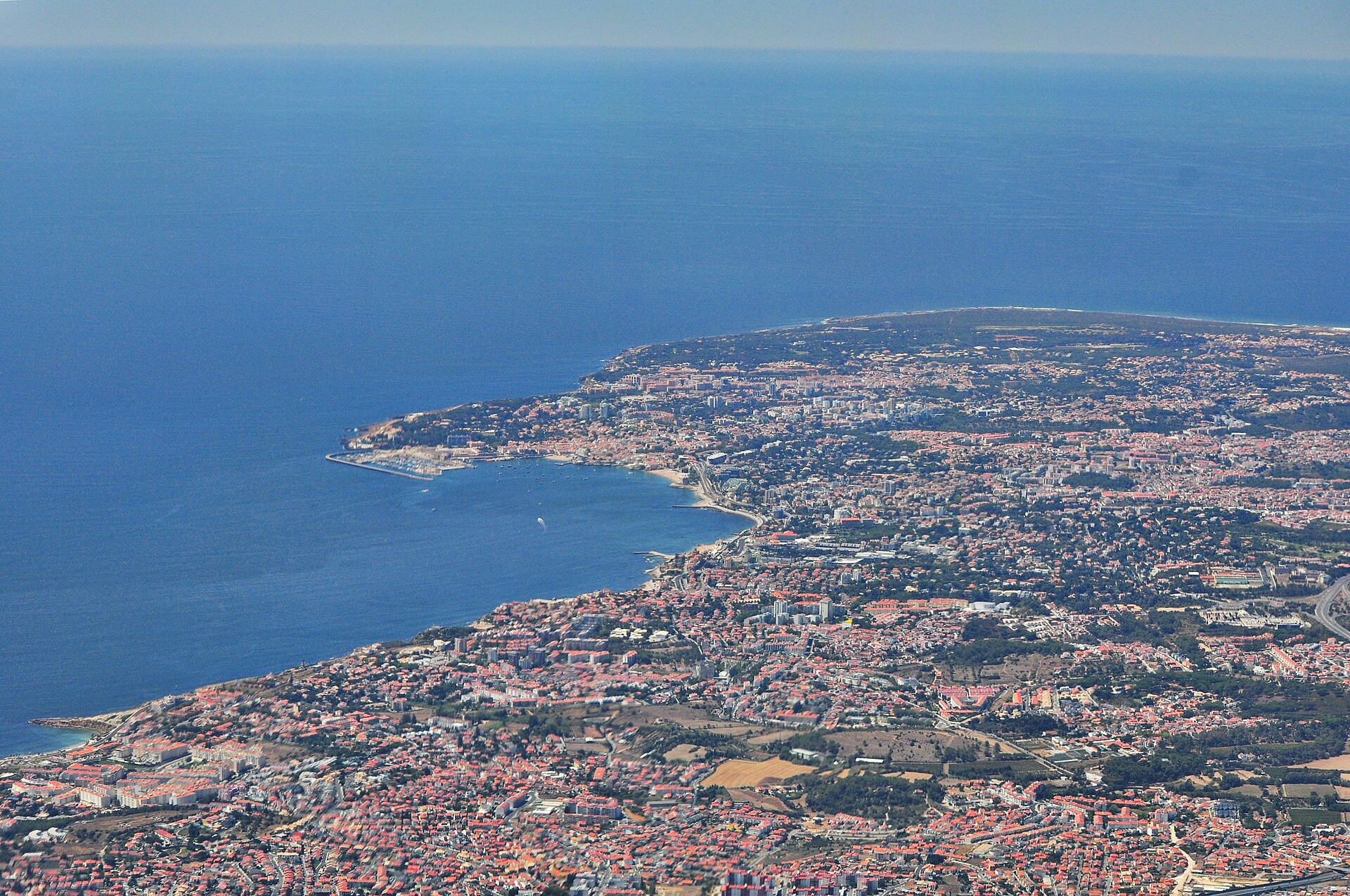
Historical currents and coastal features
As you move along the coastline, the seabed hides layers of regional history. Near the Fort of São Julião da Barra—a massive structure built from 1553 to guard the Tagus entrance—underwater surveys in 1989 uncovered iron breastplates from the 17th century, likely remnants of the Portuguese Restoration War. The view from the water is dominated by steep cliffs, some reaching 100 meters, which culminate in the dramatic geological fracture of the Boca do Inferno sea cave. Further along, the route passes the Avencas Marine Protected Area, a site of significant biophysical interest for its rocky habitats. Beyond the natural formations, the architecture of the Parede coast adds a unique silhouette; the Casa das Pedras, perched 23 meters above the surf, serves as a landmark built entirely from locally sourced sandstone and basalt.
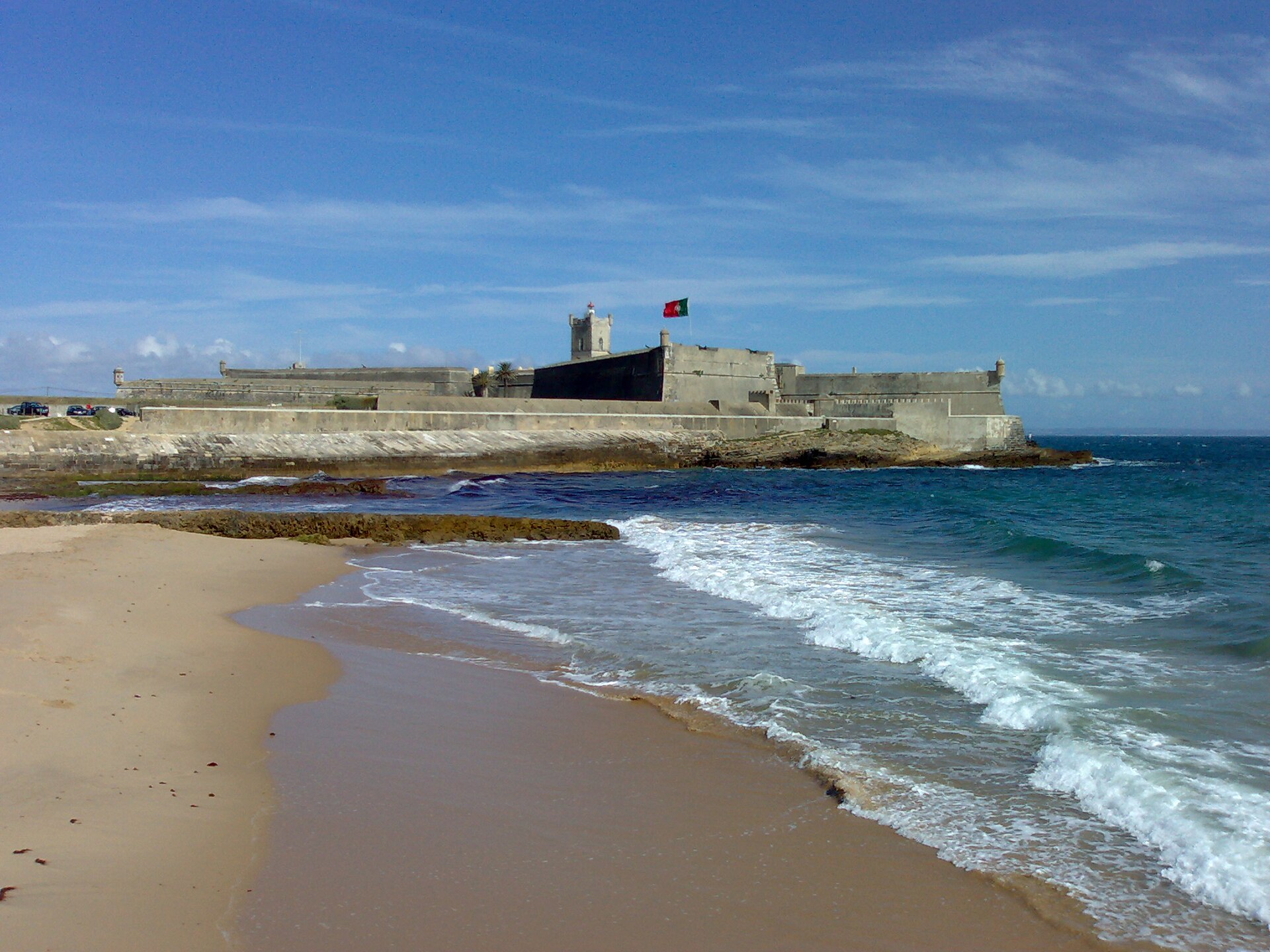
Race day logistics
The Swim Grand Prix event in this region, such as the Lisbon-Cascais Crossing, offers distances ranging from 200-meter sprints to a challenging 20-kilometer marathon. The logistics are shaped by the necessity of managing vessel traffic and tidal windows, ensuring safe passage through the entrance marked by the São Julião and Bugio lighthouses. The 2027 edition follows a tradition of ocean-focused endurance, often requiring participants to navigate with the flow of the estuary. For those seeking shorter, high-intensity formats, the local calendar features events like the Oeiras Open Water Race, which complements the longer, point-to-point crossings that define this coastal corridor.
Sources: Cascais · Forte de São Julião da Barra · Casa das Pedras · Área Marinha Protegida das Avencas
Course
Point-to-point crossing from Lisbon to Cascais.
Previous editions
- 2026Jul 18, 2026
Useful info
Event open to various categories. Includes competitive and children's distances (200m/400m). Online registration available via the official website. It is recommended to check specific requirements for longer distances (e.g., 20km).
How to get there
Lisbon Airport (LIS) at 30km. Train: Cascais-Cais do Sodré line, Cascais stop (10 min walk). By car: A5 from Lisbon, public parking available at Marina de Cascais or the city center. The area is well served by local buses and ride-sharing services.
Swim GP - Travessia Oeiras-Cascais
Where to stay
Cascais offers a range of stays, from historic boutique hotels overlooking the harbor to functional apartment rentals near the train station. Coastal villas and renovated fishermen's houses in the old town are popular for their proximity to the race start. During the summer, prices typically fluctuate between €150 and €350 per night depending on the proximity to the waterfront and the prestige of the property.
Things to do nearby
The Cascais coastline is a hub for active exploration. Beyond the race, visitors often engage in sea kayaking or SUP tours to explore the base of the cliffs near Boca do Inferno. Inland, the Sintra-Cascais Natural Park provides extensive trekking paths. Local culture is centered on the maritime heritage, with daily seafood tastings in the town center and historical visits to the Citadel of Cascais, which once housed the country’s first oceanographic laboratory.
Swimmers
What to see around
1. Boca do Inferno (iconic cliff). 2. Cabo da Roca (westernmost point of Europe). 3. Sintra-Cascais Natural Park (hiking/biking). 4. Cascais historic center and beaches (Praia da Rainha). 5. Sintra National Palace (15km away).
Other races by this organiser
- Swim GP MykonosMykonos, GR
Comments
Transparency: some links on this page (stays, flights, experiences, gear) are affiliate links — if you book or buy through them, Omniathlon may earn a commission from the partner at no extra cost to you. As an Amazon Associate we earn from qualifying purchases.