
Faros maraton
- Distances: 1.5km and 3km
About the race
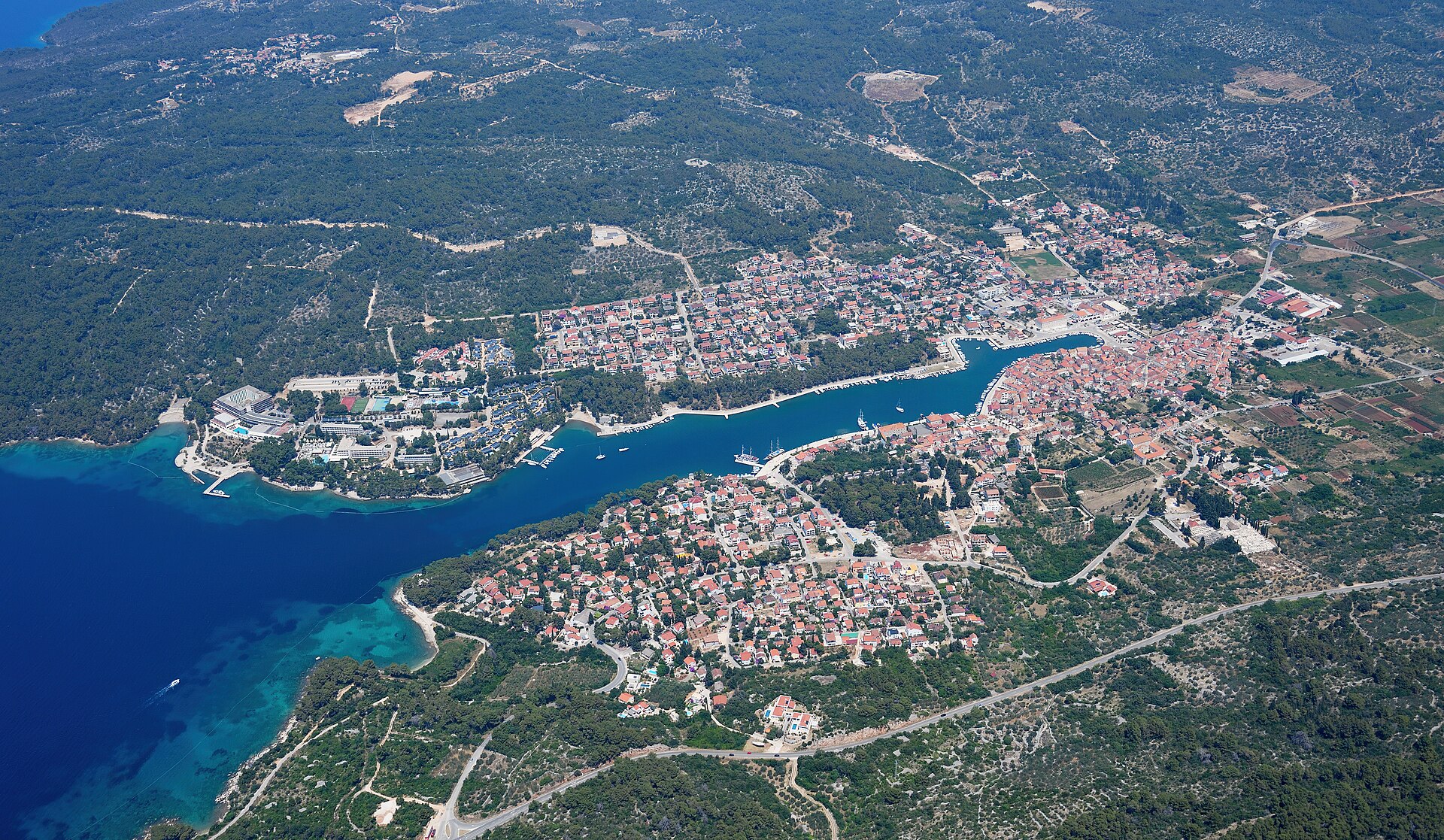
In 384 BC, the waters of Stari Grad Bay bore witness to a conflict that would define the Adriatic for centuries. A coalition of 10,000 Liburnians, local mariners from Zadar, clashed with the Greek settlers of Pharos in a naval engagement that left 5,000 dead and solidified colonial dominance. Today, as you tread water at the start line in front of the town library, the seabed remains a repository of that intensity. The bay's calm surface belies a history of territorial struggle, where the same currents that carried ancient triremes now guide your two-lap, 3,000-meter course.
A legacy of endurance
This coastline is etched with the remnants of those who claimed it. Beneath the surface, the foundations of an Early Christian basilica complex sit submerged, a quiet monument to the 5th and 6th centuries that you traverse during the final stretch of each lap. Just a few meters from the shore, the stone mosaics of the St. Rocco Roman baths serve as a reminder that this bay has been a focal point for human activity for millennia. The area's commitment to the sport is equally storied; in 1989, Stari Grad hosted the first official open water competition sanctioned by FINA and LEN, establishing a technical standard that continues to influence modern race organization. While the landscape of the Stari Grad Plain remains a UNESCO-protected relic of Greek agricultural ingenuity, the water itself demands a precise approach to pacing across the 1,500-meter loops.
Technical demands of the bay
Participants will notice the strategic placement of the four yellow turning buoys, designed to navigate the natural geography of the harbor. The race utilizes a counterclockwise rotation, forcing swimmers to maintain a tight line through the split gates between the third and fourth buoys. Be mindful of the local ecological boundaries; the presence of invasive Caulerpa taxifolia on the southern coast has led to strict maritime regulations, ensuring the water remains undisturbed by anchors during your transit. Whether you are aiming for the absolute category podium or competing for the 'Best on Hvar' title, the conditions reflect a deep-rooted maritime culture. Those seeking a different scale of challenge often look toward the longer distances offered by local circuits, though the Faros Marathon remains the primary test of consistency for regional specialists. With entry fees structured to support the necessary safety logistics and professional timing, the event rewards those who understand the rhythm of the bay.
Sources: Stari Grad · Stari Grad, Croatia
Course
3000m course consisting of 2 laps of 1500m each. Counterclockwise direction. Start from the sea. Course marked by 4 yellow turning buoys, 2 white guiding buoys, and 2 red triangular finish buoys. Split timing point between buoys 3 and 4.
Awards
- Age group awards
Absolute category (M/W) receives trophies, medals, gift packages, and cash prizes. Age categories (up to 15, 16-19, 20-29, 30-39, 40-49, 50-59, 60+) receive medals for top 3. Special prizes for youngest/oldest and 'Best on Hvar Island'.
Previous editions
How to get there
Stari Grad is accessible via ferries and catamarans. Detailed information is available in the dedicated section of the official website.
Faros maraton
Where to stay
Stari Grad offers a blend of traditional stone houses converted into boutique guesthouses and family-run apartments near the harbor. For those preferring a more rustic setting, campsites are available along the nearby bays, though they fill quickly during the late spring season. Expect to pay between 80 EUR and 180 EUR per night for a double room in the town center, depending on proximity to the starting area at Novo Riva. Booking in advance is necessary as the town's compact historical layout limits total capacity.
Things to do nearby
Beyond the water, the island is defined by its agricultural heritage and coastal exploration. Visitors can participate in guided tastings of local Hvar wines and olive oils in the ancient Stari Grad Plain, or rent kayaks to explore the secluded coves where motorized vessels are prohibited. For those interested in history, a walk to the ruins of the Glavica and Purkin Kuk forts offers a perspective on the strategic importance of the harbor from the surrounding hills, providing a panoramic view of the race course below.
Swimmers
Comments
Transparency: some links on this page (stays, flights, experiences, gear) are affiliate links — if you book or buy through them, Omniathlon may earn a commission from the partner at no extra cost to you. As an Amazon Associate we earn from qualifying purchases.