
European Aquatics Championships Paris 2026 — Open Water
- Aug 4, 2026
- Last edition date
- Distances from 3km to 10km
About the race
In the winter of 885, a massive Viking fleet rowed up the Seine, finding their advance stalled by the stone foundations of the bridges that held Paris together. Count Odo’s successful defense of these crossings not only preserved the city but shifted the trajectory of West Francia, marking the river as a permanent defensive artery. Today, competitive swimmers navigate these same currents, moving through the heart of the capital where history was once held at bay by timber and mortar.
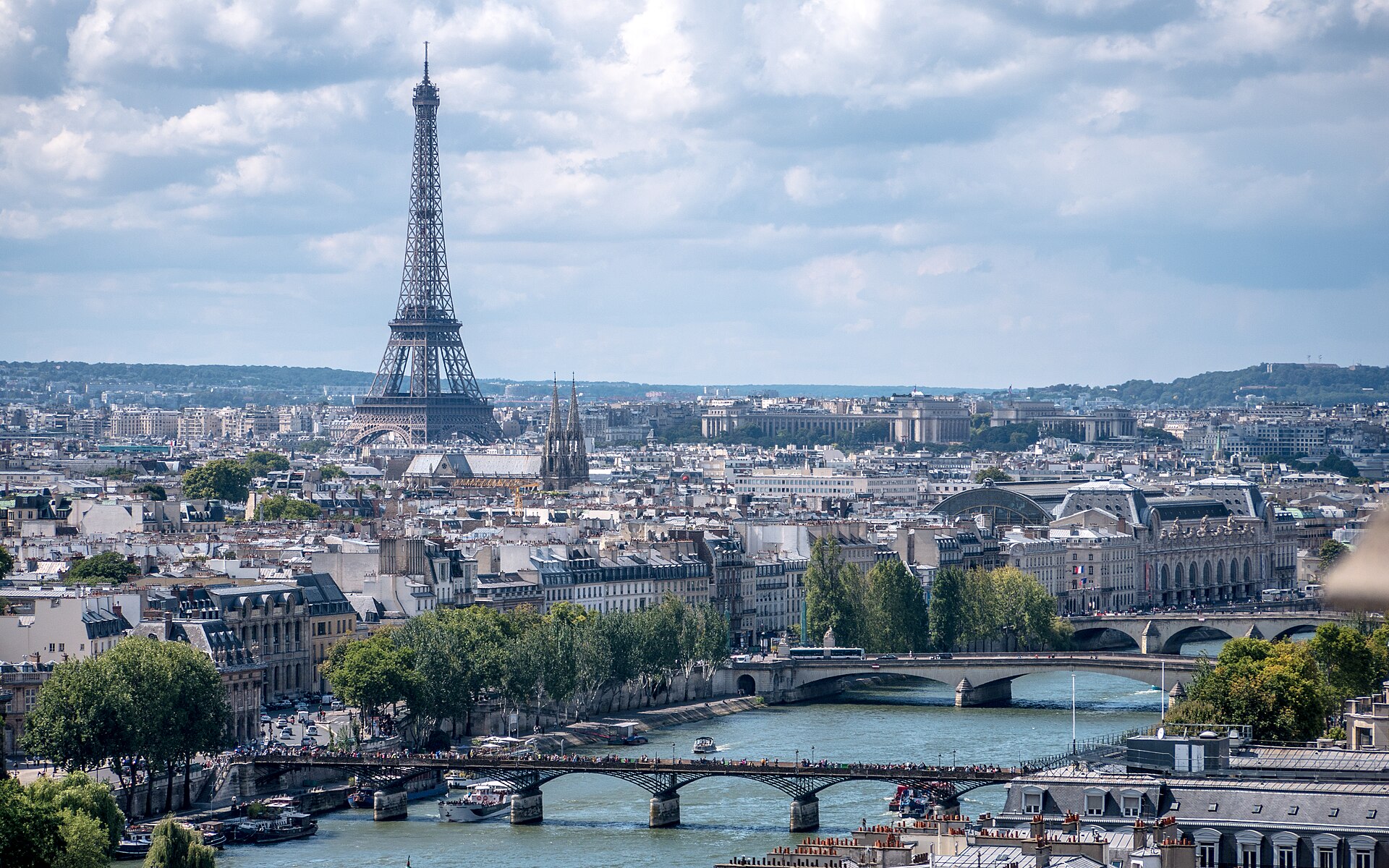
Navigating the historic river
Swimming the Seine requires an acute awareness of the water's behavior, shaped by centuries of hydrological shifts. The river’s flow has been erratic for generations, with major flood events like the Great Flood of 1910 leaving permanent markers on the stone embankments now visible from water level. Competitors should look for the high-water marks etched into the quay walls as they sight their next turn. Unlike the recreational atmosphere found in the Open Swim Stars Paris held earlier in July, the European Aquatics Championships bring a regulated, high-stakes environment to the river’s urban channel. While the Bièvre once fed into this stretch, its flow has long been consigned to the underground pipes of the 13th arrondissement, leaving the current of the main river as the sole primary force for athletes to calculate.
Race day and environment
As you pass under the arches of the Pont Neuf, remember that this structure was the city’s first to abandon the tradition of housing built atop it, creating the open passage you swim through today. The water temperature is strictly monitored for the August 4th event, and athletes must adhere to European Aquatics regulations regarding wetsuit usage, which shift based on the day's thermals. The logistical complexity of the event—necessary to manage navigation in a major capital—mirrors the intensity of the urban environment above. While the Temple de la Sibylle stands far removed on its cliff in the Buttes-Chaumont park, the river remains the definitive center of the city's aquatic movement. For those looking to continue their season, the EDF Aqua Challenge follows this event by just five days, offering a distinct transition from championship racing back to open-entry competition.
Sources: Paris
Course
Awards
- Master/Elite separated
Championship event; medals awarded to top 3 finishers in elite categories.
Aid stations
Feeding stations provided according to World Aquatics championship standards.
How to get there
European Aquatics Championships Paris 2026 — Open Water
Where to stay
Accommodations in central Paris vary from historic converted merchant houses along the Seine to boutique hotels on the Left Bank. For those seeking proximity to the river, hotels in the 1st and 4th arrondissements provide the easiest access to the start line. Prices typically range from €180 to €450 per night depending on the proximity to the riverbanks. For a more independent experience, local apartment rentals are common, though booking well in advance is essential due to the high volume of summer tourism.
Things to do nearby
Beyond the water, the weekend offers opportunities to explore the city's layering of ages. Visitors often frequent the subterranean galleries or take guided walking tours of the historic bridges. For active recovery, the city offers extensive bike paths along the riverbanks, which are often closed to motorized traffic. Gastronomy remains a focal point, with traditional markets in the Marais district serving as a hub for local tastings, contrasting with the structured pace of the championship competition.
Swimmers
Other races by this organiser
Comments
Transparency: some links on this page (stays, flights, experiences, gear) are affiliate links — if you book or buy through them, Omniathlon may earn a commission from the partner at no extra cost to you. As an Amazon Associate we earn from qualifying purchases.