
Derwent River Big Swim 2026 — Hobart
- Feb 15, 2026
- Last edition date
- Distances from 14km to 49km
About the race
In 1836, the HMS Beagle glided into the Derwent estuary, carrying a young Charles Darwin who observed the 'noble forest' lining these deep waters. Today, that same reach of the river serves as the arena for the Derwent River Big Swim, an event that demands more than raw speed; it requires a strategic alliance with the tides and the river’s unpredictable temperament. Participants in the 34km flagship distance, as well as those tackling the 14km, 22.3km, 26.84km, 30km, or the 49km ultra-marathon, find themselves navigating an environment shaped by both history and nature. While you stroke through these waters, the 1,271-metre kunanyi / Mount Wellington looms above the Hobart skyline, its peak frequently dusted with snow, providing a stark, vertical contrast to the river's horizontal expanse. As you move downstream, you are passing through the deepest natural harbour in the Southern Hemisphere, a landscape marked by the haunting memory of the 1975 Tasman Bridge disaster, where the structure still looms as a reminder of the river's industrial past.
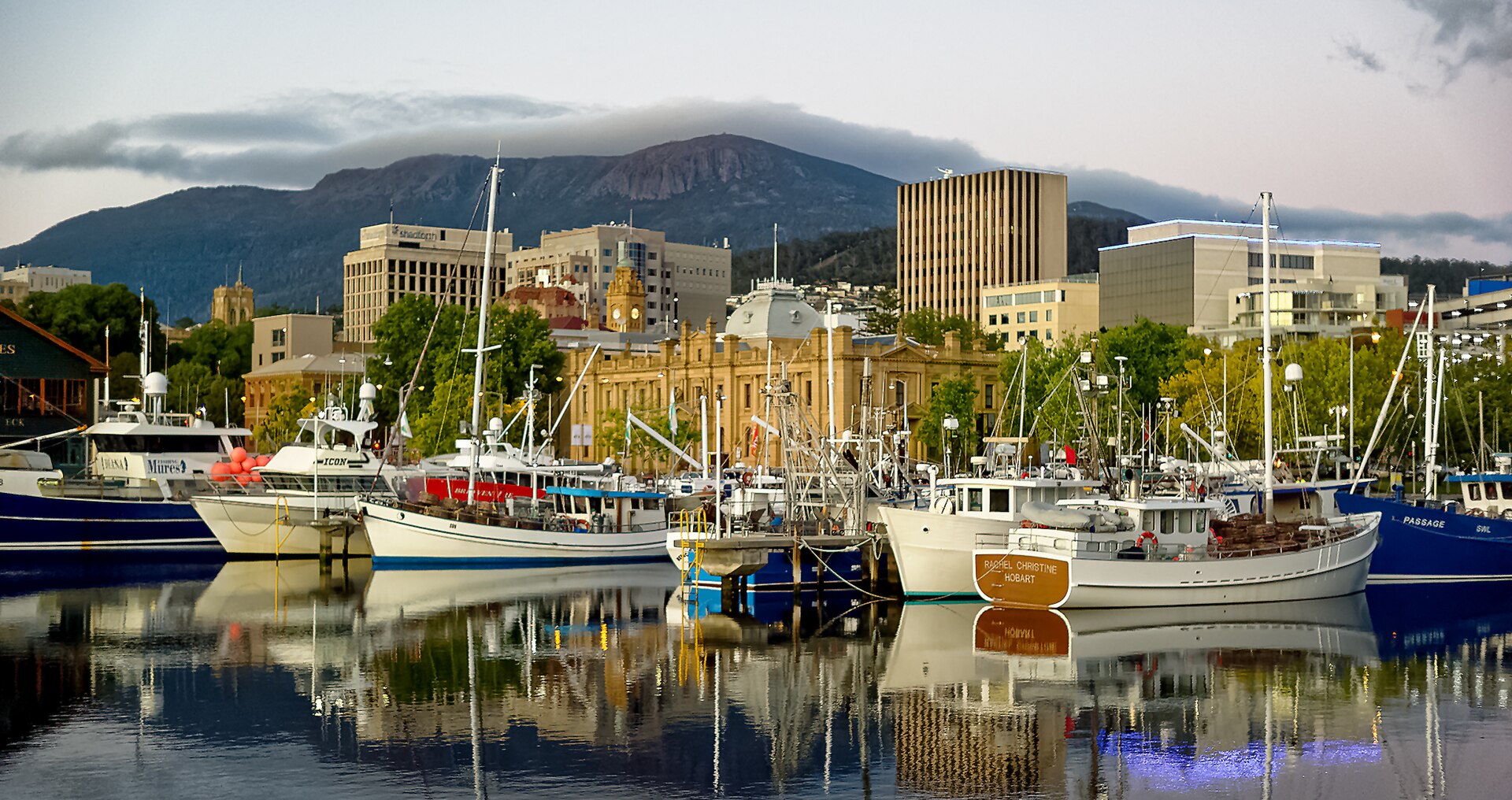
The ecosystem here is as delicate as it is imposing. The river is the sole sanctuary for the critically endangered spotted handfish, a creature whose survival is hindered by the invasive Northern Pacific seastar, which strips away its spawning ground. In a more triumphant ecological turn, the estuary has witnessed the return of southern right and humpback whales, which now frequent these waters during migration cycles—a phenomenon that has been documented regularly since 2014. These swims are logistically intensive; the high barrier to entry reflects the necessity of dedicated pilot support, mandatory safety observers, and the rigid requirement to time your start with the river's specific tidal windows. If you are seeking a different rhythm in these cold southern waters, you might consider the Dark Mofo Swim or, for a change of coast, the Beach 2 Beach Swim. Whether you are aiming for the 34km original route from New Norfolk or the endurance test of the 49km, the water dictates the pace, and your pilot remains the ultimate authority on your safety and technical route adjustments.
Sources: Hobart · River Derwent (Tasmania)
Course
Freshwater marathon swim in Lake St Clair, located in the Central Highlands of Tasmania, forming the southern end of the Cradle Mountain-Lake St Clair National Park.
Marathon swim starting at the Tasman Bridge on the Derwent River and finishing at the Iron Pot Lighthouse at Storm Bay.
Freshwater ultra-marathon swim in Yingina / Great Lake, a natural lake and man-made reservoir in the central northern region of Tasmania.
Marathon swim starting at the Bowen Bridge on the Derwent River and finishing at the Iron Pot Lighthouse at Storm Bay.
The original ultra-marathon swim starting at New Norfolk Bridge in the historic town of New Norfolk and finishing beneath the Tasman Bridge in Hobart.
Ultra-marathon swim starting at the New Norfolk Bridge in the historic town of New Norfolk and finishing at Opossum Bay.
Awards
Swims are ratified and eligible for the Australian Triple Crown.
How to get there
Derwent River Big Swim 2026 — Hobart
Where to stay
Hobart offers a diverse range of stays, from historic boutique hotels nestled along the 19th-century docks to modern apartments overlooking the estuary. For those wanting proximity to the river, look for converted warehouses or traditional 'fishermen-style' cottages in the Battery Point or Sullivans Cove areas. If you prefer a more rugged experience, there are several camping and caravan parks within reach of the river access points. Expect to pay between $150 and $450 per night depending on the proximity to the waterfront and the level of luxury.
Things to do nearby
Beyond the race, the Hobart region is defined by its proximity to wild landscapes and colonial heritage. Spend your recovery days exploring the local distilleries and cellar doors that feature cool-climate Tasmanian wines and spirits. For active downtime, kayak or SUP through the quieter inlets of the Derwent, or take a day hike up the trails of kunanyi / Mount Wellington for a panoramic view of the course you just conquered. Alternatively, visit the historic site of Port Arthur to delve into the island’s convict history.
Swimmers
Other races by this organiser
- 4 Bridges to Lighthouse SwimNew Norfolk, AU
Comments
Transparency: some links on this page (stays, flights, experiences, gear) are affiliate links — if you book or buy through them, Omniathlon may earn a commission from the partner at no extra cost to you. As an Amazon Associate we earn from qualifying purchases.