
Cruce del Rio de la Plata
- Distances from 40km to 100km
About the race
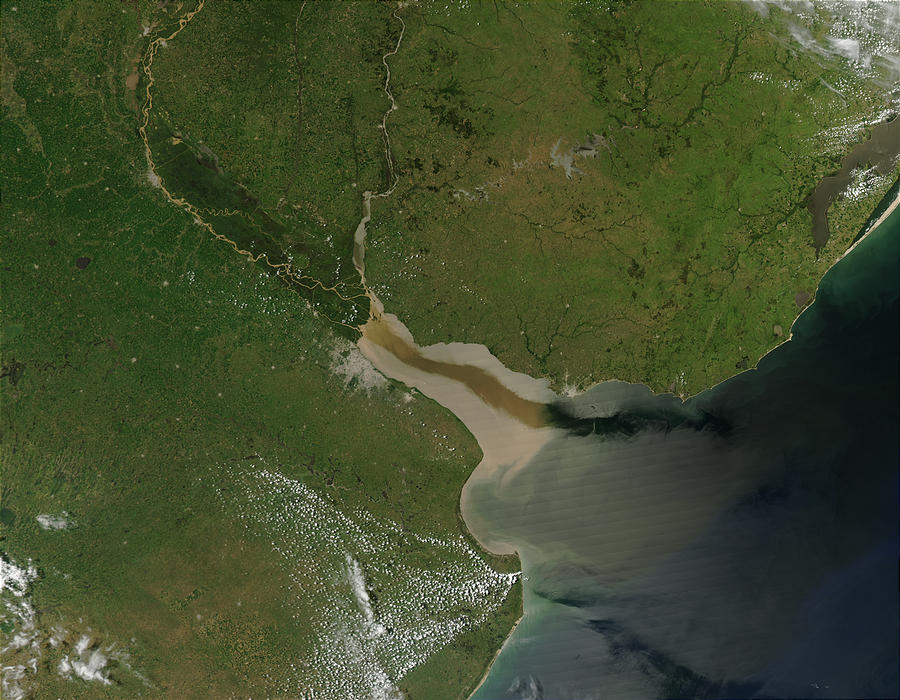
The Río de la Plata is defined by its sheer scale and the volatile behavior of the Sudestada, a persistent southeast wind that can force the river level to rise by nearly four meters. When this phenomenon occurs, it brings heavy rains and intense, choppy waves that turn the water into a formidable obstacle for any swimmer. Beyond the wind, the river acts as a massive conveyor of sediment, transporting approximately 160 million tons of silt, clay, and sand annually. This constant deposition forms expansive, shallow sandbanks like the Ortiz and Arquímedes, which demand constant navigation adjustments to avoid grounding or getting caught in unpredictable currents. The estuary also hides a complex salinity gradient; while the inner sections remain fresh, a distinct tongue of lower-salinity water stretches up to 45 km into the sea, shifting the buoyancy beneath you as you progress through the longer distances.
Historical currents and landmarks
Swimming here means moving through a waterway that has seen centuries of conflict and seismic history. Beneath the surface, the sediment-heavy water often obscures the geography, but the presence of the Martín García Island serves as a primary navigational reference. Rising 27 meters above sea level, this rocky outcrop is composed of ancient formations from the Brasilia massif, dating back 1.8 billion years—a stark contrast to the shifting riverbed. History also weighs heavily on the coastline: near the Santo Domingo friary, the ground beneath the 5 de Julio passageway is said to hold a mass grave of British soldiers from the 1807 defense of Buenos Aires. The riverbed itself has even been reshaped by the earth; in 1888, a magnitude 5.5 earthquake with an epicenter 30 meters deep in the river center was felt across both Buenos Aires and Montevideo. While the 1939 Battle of the River Plate took place further offshore, the echoes of naval history remain a part of the local lore. For those preparing for extreme challenges, the ACNRP organizes annual crossings with distances of 40km, 60km, and 100km, a scale that echoes the ambition of the first successful attempts recorded in 1919. If you are looking for shorter, nocturnal efforts to calibrate your night-swimming rhythm, you might find Aguas Abiertas Nocturnas a useful addition to your training schedule.
Sources: Río de la Plata · British invasions of the River Plate
Course
40km (Colonia-Punta Lara), 60km (Vte. Lopez-Colonia), and 100km (Double Crossing) routes. Waters with brown sediment, strong variable currents, and an average depth of 13m. Use of a safety buoy and swimming lights is mandatory. Night swimming is not permitted in Argentine waters.
Previous editions
Since 1919
Useful info
Eligibility assessment required (sports resume and previous events). Mandatory: special medical clearance, notarized liability waiver, and registration form submitted 3 months in advance. Wetsuit optional (ACNRP regulations). On-site presence required 2-3 days prior. Includes post-race medical checks and mandatory customs procedures.
How to get there
The swimmer must be in Colonia del Sacramento or Buenos Aires (depending on the distance) at least 2-3 days before the swim.
Cruce del Rio de la Plata
Where to stay
The Buenos Aires waterfront offers a range of options, from upscale boutique hotels located in the historic port districts to traditional apartments used by local rowing clubs. In the areas adjacent to the river, you will find comfortable lodging in refurbished colonial-style buildings or modern high-rises. Prices typically range from $60 to $180 per night, depending on the proximity to the Puerto Madero area and the level of service provided. Staying near the port ensures easier access to the logistics hubs used by the support crews during the crossing.
Things to do nearby
The weekend of the race offers a deep dive into the local culture of the Rio de la Plata. Beyond the water, you can explore the historic district of San Telmo for traditional tango and architectural tours, or visit the nearby ecological reserves to see the delta flora. For active recovery, local operators offer kayaking and SUP sessions in the quieter channels of the Tigre Delta, providing a different perspective on the river system. Wine tasting events focusing on regional Malbecs are also a staple for post-swim gatherings in the city.
Swimmers
What to see around
1. Teatro Colón (iconic architecture), 2. Caminito in La Boca (colorful neighborhood), 3. Costanera Sur Ecological Reserve (ideal for running/cycling), 4. Recoleta Cemetery, 5. Obelisco de Buenos Aires.
Comments
Transparency: some links on this page (stays, flights, experiences, gear) are affiliate links — if you book or buy through them, Omniathlon may earn a commission from the partner at no extra cost to you. As an Amazon Associate we earn from qualifying purchases.