
3rd Douro Valley – São João da Pesqueira Open Water
- Sep 13, 2026
- Last edition date
- Distances from 500m to 3km
About the race
In the local folklore of the Douro valley, the yellow broom flowers, or 'maias', are hung on doors every May to ward off misfortune. While the shepherds of Riodades once circled the chapel of Senhora da Alegria to protect their flocks from disease, the modern swimmer at Cais da Ferradosa finds protection in the rhythmic navigation of these river currents. The Douro has long dictated the survival of those on its banks, from the ancient Roman settlers who left behind tiles and inscriptions near the Valeira region to the medieval communities who sheltered in the schist houses of the Rua dos Gatos.
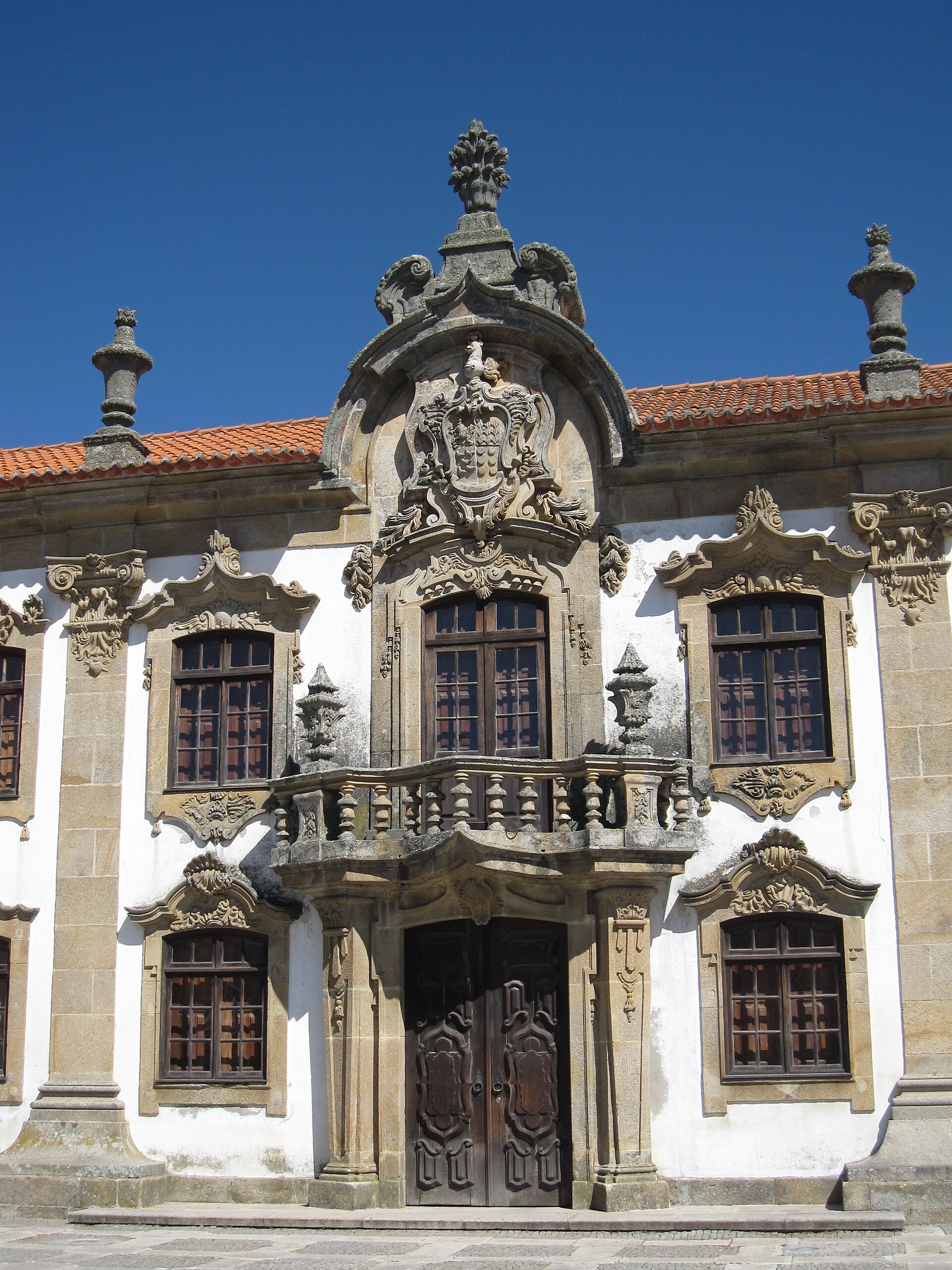
The river's strategic path
As you begin your 1500m or 3000m effort, the landscape reveals a series of historic control points that once defined this corridor. Looking up from the water, you might catch the silhouette of the Castle of Ansiães, where medieval walls stand over six meters high, a stark reminder of the strategic power once held over these waters. The course is deeply influenced by the geography of the Tua River confluence, a junction where the flow dynamics shift near the Foz Tua dam. Swimmers follow the regulations set by the Portuguese Swimming Federation (FPN), which dictate the use of equipment and wetsuits based on water temperature and safety conditions at the time of the event.
Race day logistics
The third edition of the event takes place on September 13, 2026, at Cais da Ferradosa. This venue acts as the central hub, where participants receive their timing chip and event cap. Given the river's history as a transit route for everything from Roman goods to medieval trade, the water remains a demanding, controlled environment. The organization ensures safe passage through the river corridor, allowing athletes to focus on the technical challenge of the current while passing sites of significant archaeological importance. The race serves as a contemporary act of engagement with a valley that has seen continuous human occupation since the 2nd millennium BC.
Sources: São João da Pesqueira · Tua River · Castle of Carrazeda de Ansiães
Course
Awards
- Age group awards
- Master/Elite separated
- Wetsuit/No-wetsuit separated
Awards provided according to FPN age group categories.
How to get there
3rd Douro Valley – São João da Pesqueira Open Water
Where to stay
Accommodations in São João da Pesqueira focus on the region's rural heritage, featuring restored 'quintas' (wine estates) and traditional stone houses often converted into guesthouses. Expect to find boutique rooms overlooking the valley floor, with prices ranging from €90 to €180 per night depending on the season and proximity to the riverfront.
Things to do nearby
The area is defined by its deep viticultural roots and geological history. Visitors can engage in wine tasting tours in the historic vineyards, explore the riverbanks via kayak or stand-up paddleboard, or hike the trails that lead to the medieval ruins overlooking the Douro. Archaeological walks focusing on Roman settlements and prehistoric rock carvings are also common.
Swimmers
Comments
Transparency: some links on this page (stays, flights, experiences, gear) are affiliate links — if you book or buy through them, Omniathlon may earn a commission from the partner at no extra cost to you. As an Amazon Associate we earn from qualifying purchases.